
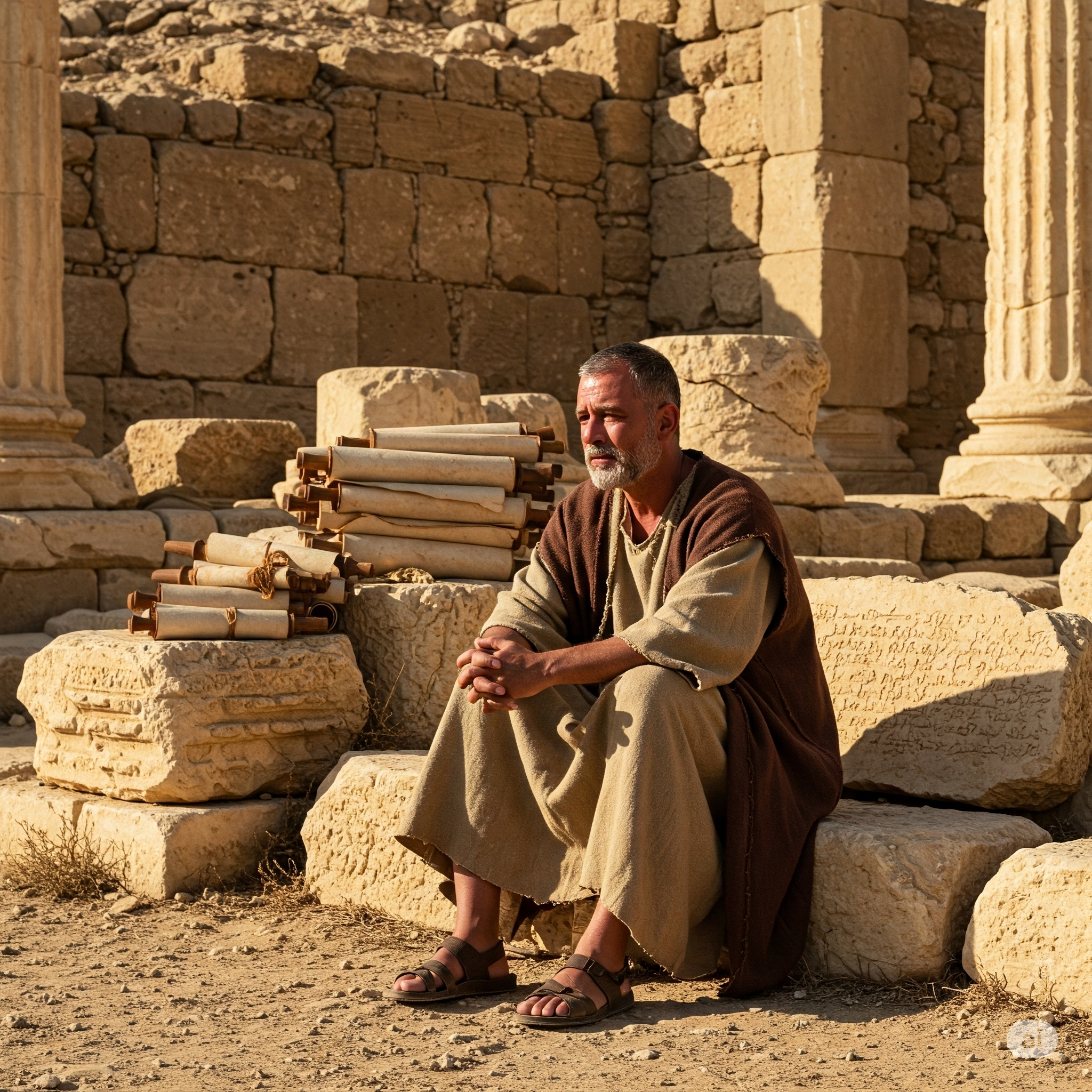

Exploring a Lesser-Known Biblical Story and Its Relevance Today
Colt Francis
Begin by piquing the reader's curiosity about a less familiar story from the Bible. Suggest that even seemingly minor narratives can hold profound truths and valuable lessons for contemporary Christians.
Choosing the Story: Select a specific, perhaps shorter or less commonly discussed, biblical narrative (e.g., the story of Mephibosheth, the account of the Shunammite woman, the story of the daughters of Zelophehad, etc.).
Retelling the Story (Engagingly): Recount the chosen story in a clear, concise, and engaging manner, highlighting the key characters, events, and context. Aim to make it accessible and interesting for readers who may not be familiar with it.
Unpacking the Themes and Lessons: Identify the core themes and lessons that emerge from the story. Consider aspects like:
God's character revealed in the story.
Examples of faith, courage, obedience, or other virtues.
Warnings against certain behaviors or attitudes.
Insights into human nature and relationships.
Connections to broader biblical themes or the Gospel message.
Drawing Contemporary Relevance (Elaborated): Explicitly connect the themes and lessons of the ancient story to the challenges and opportunities that Christians face today. Ask questions like:
How can we apply this character's example to our own lives?
What does this story teach us about God's faithfulness in our current circumstances?
How does this narrative challenge our modern perspectives or assumptions?
What practical steps can we take based on the insights from this story?
How does this story illuminate a particular aspect of our relationship with God or with others?
Conclusion: Summarize the key takeaways from the story and its relevance for today's Christian walk. Encourage readers to explore other lesser-known biblical narratives and discover the hidden gems of wisdom they contain.